 kimberly-sutanto
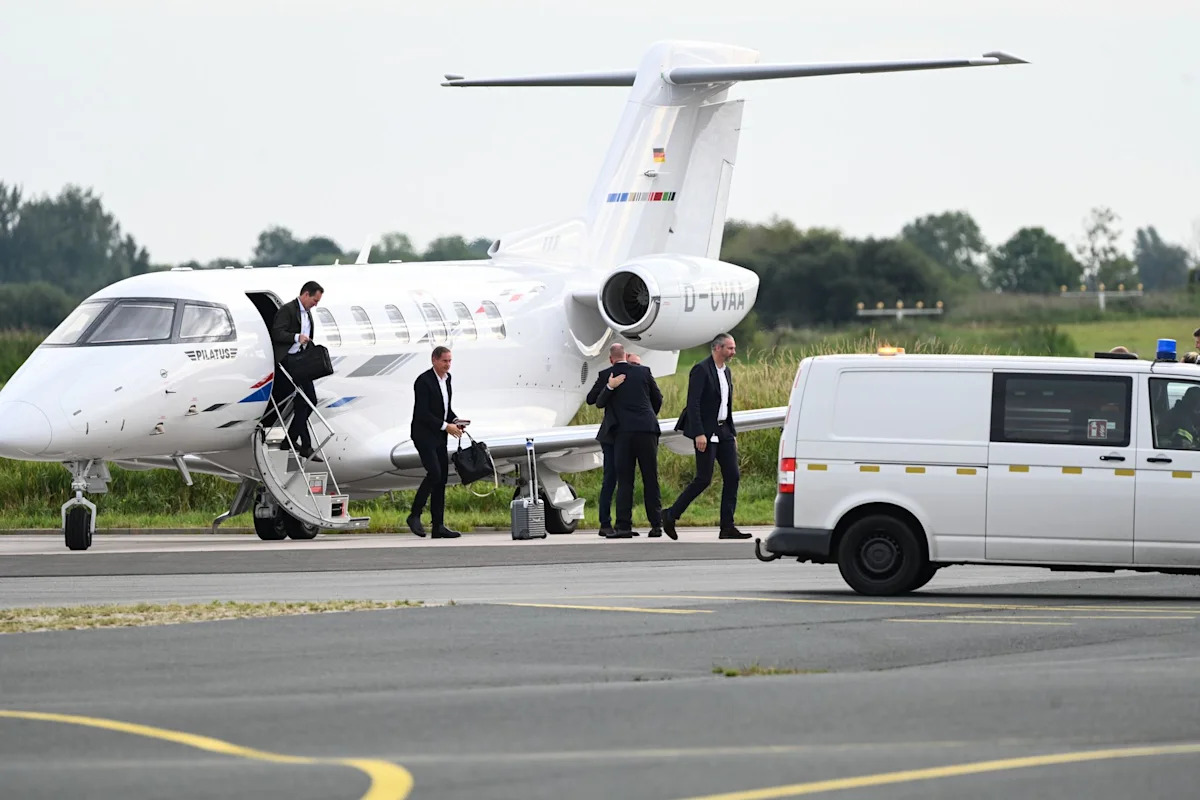
Volkswagen Group chief executive Oliver Blume travelled to the northwestern German city of Osnabrück this week to meet employees at a factory that has become one of the most visible symbols of the carmaker's deepening cost crisis, days after senior executives raised the prospect of shutting domestic plants for the first time in the company's history.
The visit came shortly after blunt internal warnings from the top of the core VW brand. Arno Antlitz, the brand's board member for finance and sales, told staff at a meeting in Wolfsburg that the company's business model in Europe was under severe pressure and that far-reaching structural changes could no longer be avoided.
Management laid out the arithmetic behind that assessment. Deliveries in Europe are running roughly half a million vehicles below the level the company once counted on, a shortfall that Antlitz likened to the annual capacity of about two complete assembly plants. With order books thinning and demand for electric models failing to meet projections, executives argue that the group can no longer sustain its current network of German sites.
Osnabrück, where approximately 3,500 workers build the open-top version of the T-Roc compact SUV, has long been regarded internally as vulnerable. The plant previously assembled Porsche sports cars under contract, but its reliance on niche models and relatively modest scale have left it repeatedly flagged as a candidate for consolidation whenever the group reviews its footprint.
Speaking to the workforce during the tour, Blume acknowledged the seriousness of the situation facing Europe's largest automaker. He emphasized that costs across the group must come down substantially so that it can hold its own against increasingly aggressive competitors, particularly Asian manufacturers that have undercut German brands on price while racing ahead in electric vehicles. At the same time, he sought to reassure employees, indicating that any restructuring would be negotiated jointly with labor representatives rather than imposed unilaterally.
The stakes are historic. Volkswagen has never closed a plant in Germany, and doing so would break one of the most entrenched taboos in the country's postwar industrial landscape. The possibility alone has unsettled workers across the group's sprawling home bases in Lower Saxony, where tens of thousands of families depend directly or indirectly on the company's payroll.
Labor leaders have reacted furiously to the closure threats. Works council chief Daniela Cavallo has accused management of manufacturing a crisis and vowed to fight any shutdown of German sites, while the IG Metall union, which represents VW employees, has warned that it will respond with industrial action if the company pushes through forced redundancies or sell-offs of facilities.
Politics looms over the dispute as well. The state of Lower Saxony holds a fifth of Volkswagen's voting shares, giving it a blocking stake in major strategic decisions, and regional leaders have pressed both sides to protect jobs. Chancellor Olaf Scholz has also weighed in publicly, signaling confidence that management and labor can reach a workable settlement that safeguards the company's future in Germany.
Behind the confrontation lie structural headwinds that extend well beyond one brand. Volkswagen has been losing ground in China, its most important single market, where local electric-car makers have captured share rapidly. At home, elevated energy prices, high labor costs and a slower-than-hoped transition to battery-powered models have squeezed margins across the industry.
In the coming weeks, negotiators for management and the works council are expected to sit down and work through options that range from trimming capacity at individual sites to more drastic measures. Speculation has centered on smaller operations such as Osnabrück and Dresden's Transparent Factory, though no formal list of candidates has been published.
For Blume, the challenge is to convince investors that Volkswagen can restore healthy returns while convincing a restive workforce that sacrifice will not mean abandonment. How that balance is struck will be watched closely across German industry, where other manufacturers face many of the same pressures.




Comments (0)