 bobby-hartono
**
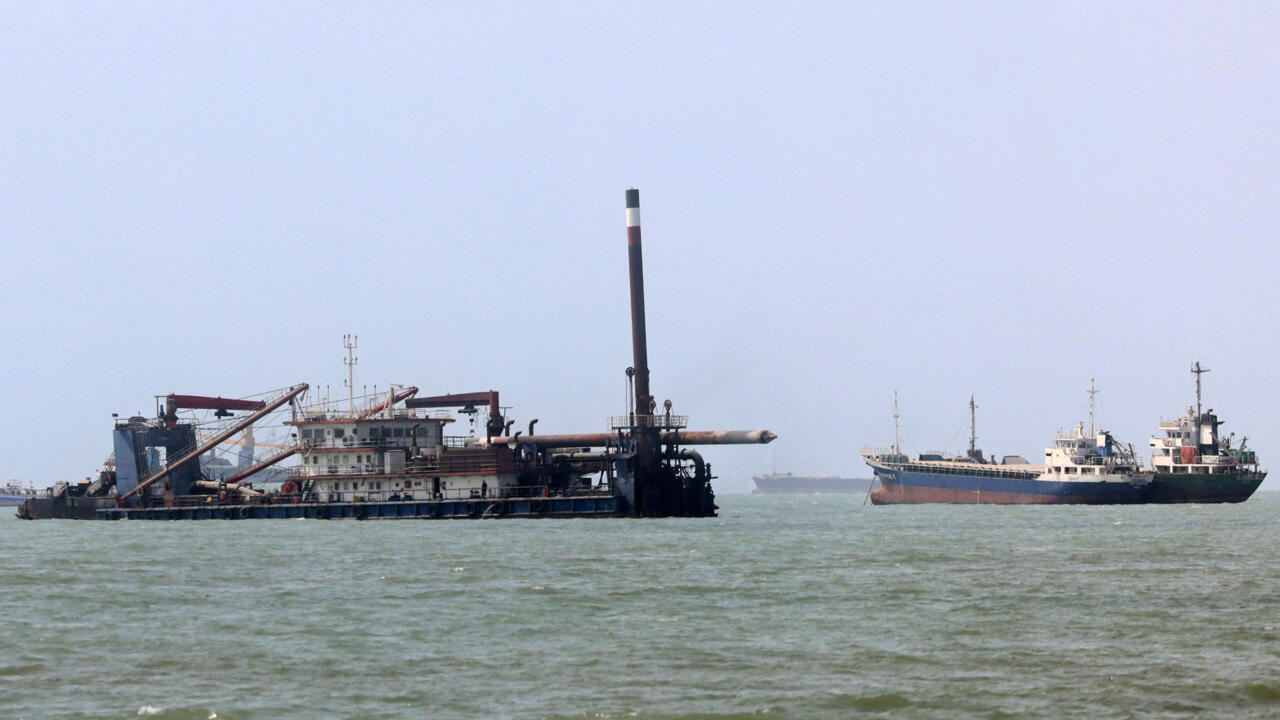
In a significant escalation of tensions in the Middle East, US forces conducted a targeted strike on Iranian rocket launchers situated in the Strait of Hormuz on Sunday. This marks the first military action taken by the United States against Iran in over a month, signaling a break in an intermittent war that has raged for over six months. Iran swiftly responded, vowing to retaliate for what it termed a deadly attack.
The attack, which was aimed at Iranian military assets, was conducted under the auspices of the US military's ongoing efforts to curb Iran's regional influence and deter any potential aggression. The strike is seen as a direct response to recent Iranian actions that have been deemed threatening by the US and its allies. While the specifics of the strike and the extent of its damage were not immediately disclosed, the fact that it was carried out on the strategic Strait of Hormuz underscores its significance.
The Strait of Hormuz, a vital waterway through which a third of the world's seaborne oil passes, has been a flashpoint for conflict in recent months. Its strategic importance has made it a focal point for military activity in the region. The US military's actions are likely aimed at sending a strong message to Iran and its allies about the potential consequences of actions that threaten regional stability.
Iran, for its part, has not shied away from its defiance. In response to the strike, Iranian officials promised retaliation, indicating that they will not back down in the face of what they consider to be aggression. The exact nature of Iran's retaliatory measures has not been disclosed, but the situation remains volatile and tense.
The incident has once again highlighted the complexities of the geopolitical landscape in the Middle East. The region has been a theater of conflict for decades, with various factions vying for power and influence. The ongoing war between Israel and Hamas, the escalating tensions between Iran and the US, and the broader power struggle among Middle Eastern nations have all contributed to a volatile atmosphere.
The international community is closely monitoring the situation, with many expressing concerns about the potential for the conflict to escalate further. The US, Europe, and other key players in the region have been urging for de-escalation and dialogue to prevent a full-blown conflict that could have far-reaching consequences.
As the situation unfolds, the world watches with bated breath, hoping for a resolution that avoids further bloodshed and instability. The stakes are high, not only for the nations directly involved but for the global economy and international security as a whole.
The attack and Iran's subsequent response have also raised questions about the future of the Iran nuclear deal, which was signed in 2015 and aimed to prevent Iran from obtaining nuclear weapons. Critics of the deal argue that it has not effectively curbed Iran's ambitions, while supporters contend that it remains the best way to achieve this goal.
In the meantime, the situation in the Strait of Hormuz and beyond remains fluid. The US and Iran are at a critical juncture, and the decisions made by both sides in the coming days and weeks will have profound implications for the region and the world.
As the situation continues to evolve, it is essential for all parties to exercise caution and seek peaceful resolutions. The potential consequences of further conflict are too great to ignore, and the world must work together to prevent a slide into a full-blown war.






Comments (0)