 bobby-hartono
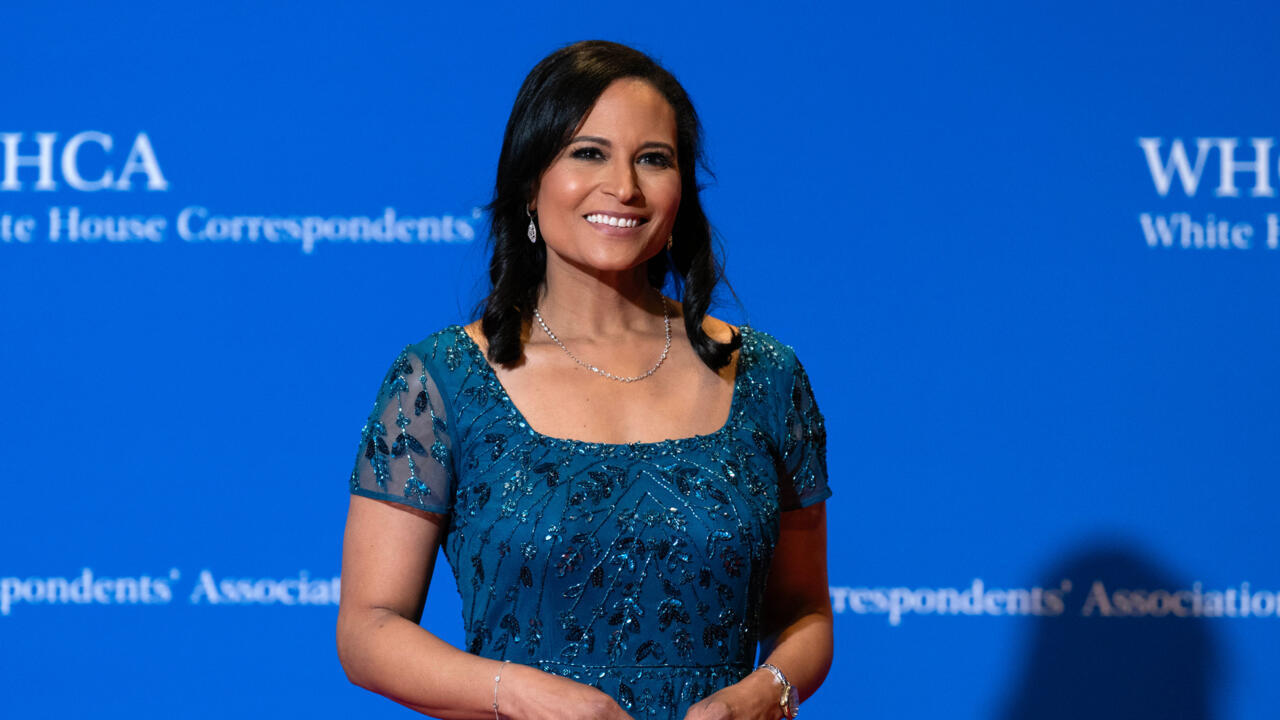
Donald Trump, former President of the United States, has taken to social media to threaten a prominent NBC journalist, Kristen Welker, with possible punishment by the Federal Communications Commission (FCC) over her coverage of his endorsements for the November midterm elections. Trump expressed his disappointment with Welker's statement that his endorsements in party primaries had "mixed results," a claim he refuted, stating the results were overwhelmingly in his favor, between 98 percent and 100 percent.
On his Truth Social platform, Trump labeled Welker as the "unpopular 'hostess' of the once great Meet the Press" talk show and accused her of "purposeful inaccuracy." He announced that she would be reported to the FCC for "rebuke or punishment," emphasizing his belief that the FCC, which regulates broadcast frequencies, should address what he perceives as biased reporting.
"This Radical Left News is going out of their way to harass, demean, and libel anything 'TRUMP'," Trump wrote, demonstrating his ongoing animosity towards what he considers to be critical or negative media coverage.
Welker's interview with Trump, during which she inquired about his endorsement strategy and its effectiveness, led to a tense exchange. Trump became visibly irritated by her questions, particularly those related to the war against Iran. This incident, along with others, has strained the relationship between Trump and Welker for several months.
The former president has a long history of using media to his advantage and also to criticize what he views as unfriendly coverage. As a businessman, Trump leveraged the media to promote his real estate ventures, but as president, his relationship with the press transformed. He has sued several newspapers, including the Wall Street Journal and The New York Times, and has sought to reduce federal funding for public media.
His administration has also implemented various measures to restrict and intimidate journalists, including attempts to control the flow of information from the Pentagon to the FBI. The FCC, under the leadership of a Trump associate, has been accused of pressuring broadcasters to align with the former president's views.
The latest attack on Welker is part of a broader offensive by the Trump administration against media outlets it deems overly critical. This campaign has faced increasing resistance from news organizations and major broadcast networks, which have filed lawsuits against the FCC. They argue that such pressure constitutes political retaliation that violates the First Amendment of the U.S. Constitution, which protects freedom of speech.
Despite Trump's threat, experts argue that the FCC lacks the legal authority to punish broadcasters or reporters for their viewpoints. A 2025 paper by the Yale Journal on Regulation confirmed that the U.S. Supreme Court has ruled that U.S. law does not grant the FCC the power to ban controversial speech.
NBC News has not yet responded to a request for comment on the matter. The situation highlights the ongoing tension between political figures and the media, particularly in the wake of the Trump administration's aggressive stance towards the press.





Comments (0)