 bobby-hartono
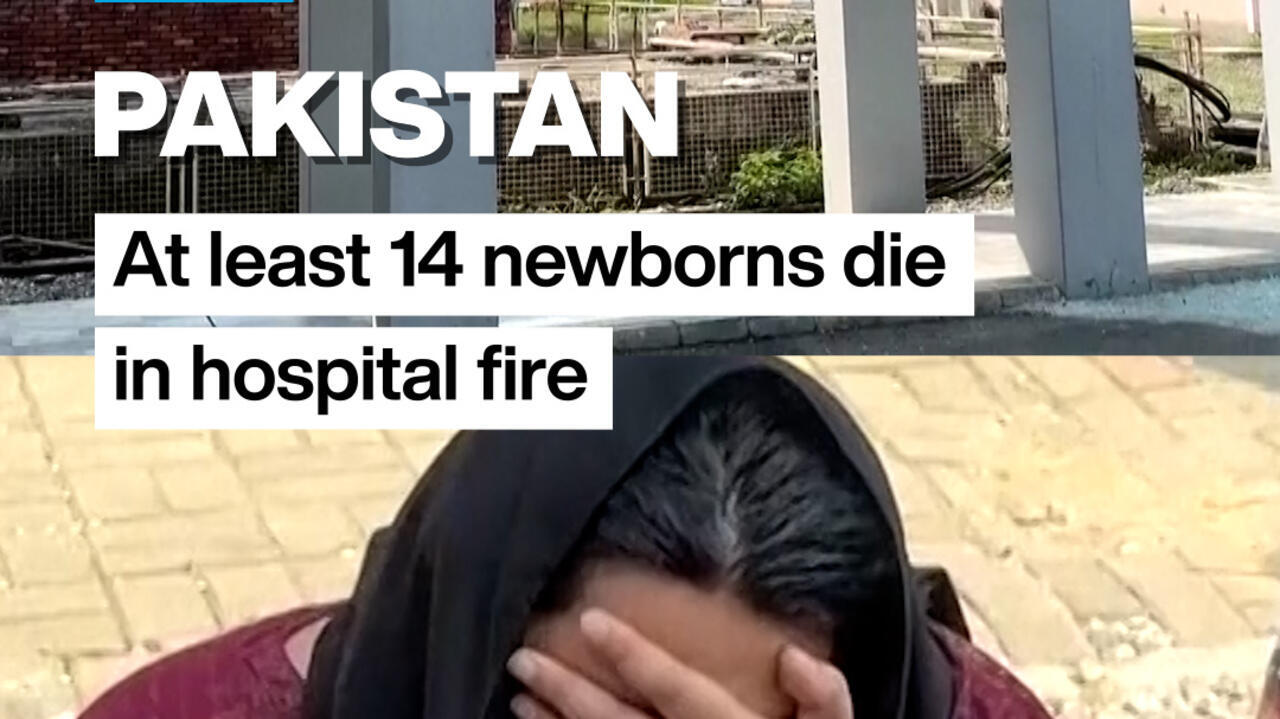
At least 14 newborn babies have died following a fire that broke out at a hospital in Islamabad, Pakistan's capital, according to reports published on Wednesday, August 26, 2026. The deaths mark one of the deadliest hospital fires involving infants that Pakistan has seen in recent years.
The victims, identified in initial reports as newborns and young infants, were receiving care at the medical facility when the blaze erupted. News of the tragedy spread rapidly through Pakistani media, with images and footage from the scene circulating widely throughout the day.
Details surrounding exactly how the fire started remained scarce in the hours after the incident. Authorities had not publicly outlined the sequence of events that led to the deadly blaze, nor had they specified which section of the hospital the infants were housed in at the time. Further information is expected as officials assess the damage and account for everyone who was inside the building.
Hospital fires present particular dangers in wards caring for newborns, where babies in incubators or on respiratory support often cannot be moved quickly. Staff in such units face agonizing decisions during emergencies, as life-sustaining equipment may need to be disconnected before fragile infants can be evacuated to safety. Even brief delays or exposure to smoke can prove fatal for babies in their first days of life.
The cause of the fire had not been determined as of Wednesday afternoon. Investigations into similar incidents in the region have frequently pointed to electrical faults, aging wiring, overloaded circuits, and inadequate fire suppression systems as contributing factors, though no such conclusions have been reached in this case.
News of the deaths prompted an outpouring of grief across Pakistan, with citizens and public figures expressing shock that infants could perish in the very place entrusted with protecting them. Condolences began arriving as word of the casualty figure spread, and pressure is likely to mount on health authorities to explain how such a catastrophe could occur in the nation's capital.
The tragedy adds Pakistan to a grim list of countries in South Asia where hospital fires have claimed large numbers of lives. Medical facilities across the region have repeatedly been found wanting in fire safety audits, with blocked exits, missing extinguishers, and poorly maintained electrical systems commonly cited. In several past disasters, investigations revealed that warnings had been issued before the fires but never acted upon.
Islamabad, as the seat of Pakistan's federal government, is home to some of the country's largest and best-resourced public hospitals. That a fatal blaze could strike a medical institution in the capital rather than a smaller, underfunded facility elsewhere is likely to intensify scrutiny of safety standards nationwide. Health advocates have long argued that fire preparedness in Pakistani hospitals lags far behind what international norms require.
The country's health sector already operates under significant strain, with public hospitals frequently overcrowded and underfunded. Pakistan also records some of the highest rates of newborn mortality in the world, driven largely by preventable causes. For families whose infants survived birth only to die in a hospital fire, the loss carries a particularly painful irony that is unlikely to go unremarked in the days ahead.
Calls for accountability typically follow such disasters in Pakistan, with demands ranging from criminal negligence proceedings against responsible officials to sweeping inspections of medical facilities. Whether this incident produces lasting reform remains to be seen, but the scale of Wednesday's loss guarantees that questions will be asked at the highest levels of government.
As investigators begin their work, attention will turn to the bereaved families, who now face the unimaginable task of mourning children they had counted among their newest members. Further updates on casualties, the fire's origin, and any official response are awaited from Islamabad.




Comments (0)